
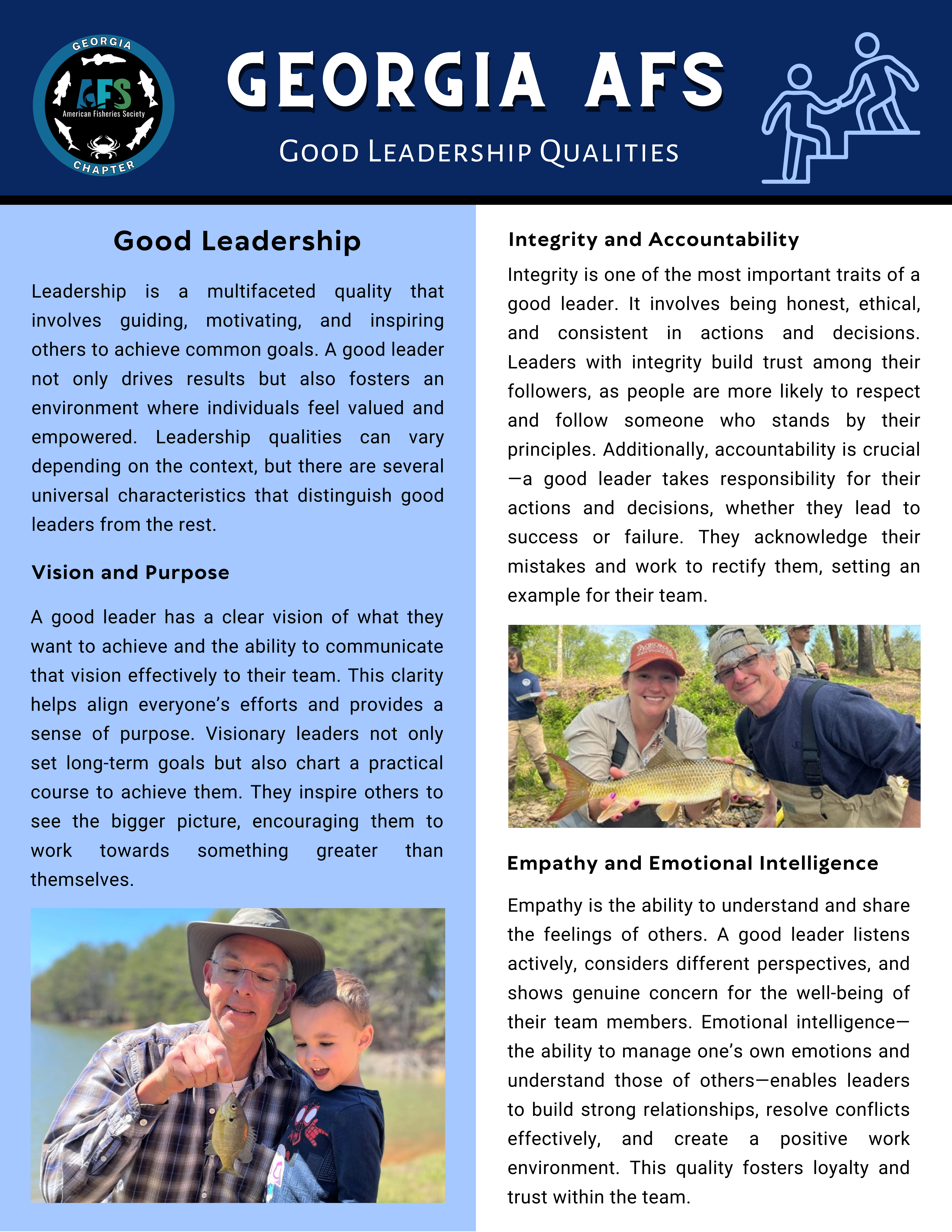


As you immerse yourself in the intricacies of your work, take a moment to reflect on the remarkable contributions made by fisheries professionals who have preceded us. These pioneers played a pivotal role in shaping the field of fisheries science, paving the way for future generations to build upon their legacy.
Imagine the dedication and passion that drove these scientists to embark on their groundbreaking journeys. They may have spent countless hours conducting meticulous research, venturing into uncharted waters to unravel the mysteries of aquatic ecosystems. Their thirst for knowledge and unwavering commitment led to the discovery of new species, the understanding of complex ecological interactions, and the development of innovative techniques for sustainable fishing practices.
Moreover, these pioneers recognized the importance of advocating for the conservation and management of fisheries and aquatic resources. They tirelessly worked to influence legislation and policies, ensuring that future generations would inherit a healthy and vibrant aquatic environment. Their efforts have had a lasting impact on the regulations and guidelines we use today to protect and sustain our fisheries.
While we acknowledge the significant contributions of these pioneers, it is essential to remember that their work is far from complete. The challenges facing fisheries and aquatic resources in the 21st century are complex and require the collective efforts of fisheries professionals from all backgrounds. By honoring the legacy of those who came before us and embracing their spirit of innovation and collaboration, we can continue to build upon their achievements and ensure a sustainable future for our fisheries and aquatic ecosystems.


By Rebecca Brown and Jim Page
Wilbur. For many of us who grew up watching Charlotte’s Web, the site of America’s Favorite Pig is a welcome one. However, though Charlotte’s porky friend was certainly cute and friendly, we have come to learn in our adulthood that such is not always the case with pigs and hogs, specifically for those who have no farm to call home. Feral hogs, or wild pigs, have caused some of the most significant negative impacts on our ecosystems. In fact, some scientists say wild pigs are the greatest vertebrate modifier of natural communities in the United States.
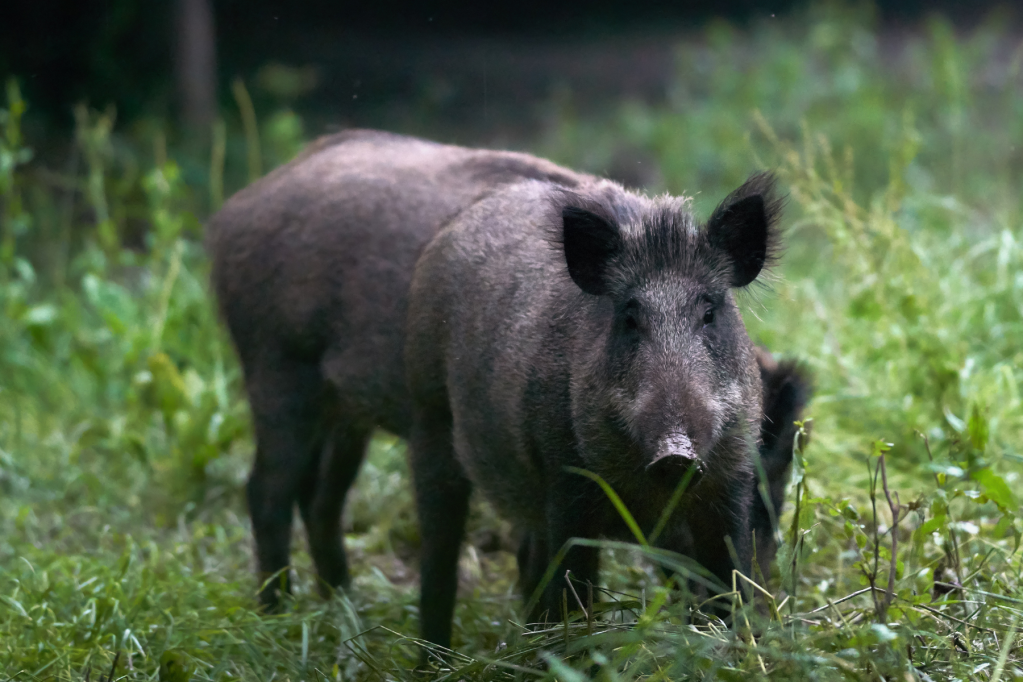
Now found throughout the state of Georgia, these menacing pests create a multitude of issues. A walking vacuum, they will eat just about anything that can fit into their mouth. In the process of searching for food, they root around in the soil, causing significant destruction to many of our native plant communities, some of which may be endangered or threatened.
Their destruction isn’t just a byproduct of their rooting and feeding behavior; sometimes, it is a direct consequence of their feeding behavior. Scientists have learned that one of the favorite foods of wild pigs residing on Georgia’s barrier islands is also one of Georgia’s most threatened species: sea turtles, specifically their eggs. Research has shown that wild pigs will often use their enhanced sense of smell to locate a sea turtle nest, dig them up, and eat the eggs, thereby negatively impacting a sea turtle population already struggling to rebound. Though such negative impacts on sea turtles along our coast have been known for years, it wasn’t until recently that additional coastal impacts by these pests were realized. A recent study in the marshes of the Sapelo Island National Estuarine Research Reserve has discovered feral hogs can also reduce the resilience of our southeastern United States salt marshes.
Feral hogs have a hefty appetite for ribbed mussels, a bi-valve that grows together in mounds and is commonly found in the marshes of Georgia. These mussels have a non-trophic relationship with cordgrass, or Spartina, that regulates the ecosystem structure and resilience of salt marshes. Scientists have learned that cordgrass and ribbed mussel have a positive mutualistic relationship in that the waste produced by the mussels provides nutrients for the growth of cordgrass and the cordgrass provides substrate and shade for the mussel.
Though their aesthetic beauty is well documented in the poetry of Sidney Lanier, cordgrass serves a much more important purpose. Cordgrass is the base of the coastal marsh ecosystem that provides many ecosystem services.


Additionally, cordgrass are essential for saltmarsh recovery after a catastrophic event such as a severe drought. Recovery time after a large die-off of cordgrass can be a few years when ribbed mussels are present, as compared to many decades to recover when mussels are not present.
The discovery of the impacts of increased mussel predation by wild pigs along the coast is certainly alarming. The loss of ribbed mussels can significantly weaken the resilience of our coastal marshes and thereby reduce the ecosystem services these marshes provide us. Our coastal ecosystems are already facing increased pressure as global climate change increases the length and severity of droughts, increases storm intensity and frequency, and causes sea levels to rise. The facilitating species in non-trophic positive interactions can buffer against abiotic stress, widen niches, increase population densities, and strengthen ecosystem multi-functionality. As a result of the learned negative impacts these pot-bellied pests can create, management plans created by resource managers need to adjust accordingly. This means taking a wider approach to factor in how invasive species like wild hogs can alter non-trophic positive interactions (e.g. cordgrass and ribbed mussel). We must consider how we as resource managers can prevent when possible and overcome when challenged with these unfortunate scenarios. If we don’t, we may be left with less than nothing, and even a pig like Wilbur knows that’s the lowest you can go.
More Information: https://www.nature.com/articles/s41467-021-26504-4

An estimated 100 million Americans go boating each year. In 2020, the Coast Guard counted 5,265 accidents that involved 767 deaths and 3,191 injuries. Compared to 2019, the number of accidents increased 26.3%, the number of deaths increased 25.1%, and the number of injuries increased 24.7%. Where the cause of death was known, 75% of fatal boating accident victims in 2020 drowned. Of those drowning victims with reported life jacket usage, 86% were not wearing a lifejacket. Where instruction was known, 77% of deaths occurred on boats where the operator did not receive boating safety instruction. Only 12% percent of deaths occurred on vessels where the operator had received a nationally-approved boating safety education certificate. Operator inattention, operator inexperience, improper lookout, excessive speed, and machinery failure rank as the top five primary contributing factors in boating accidents. (americanboating.org)
You are headed toward open water and we see only one green buoy ahead, would you keep the buoy on your right side or keep the buoy on your left side? You are boating at night and you see a red and white light, would you maintain your current speed or slow down?

Georgia Boating Laws require all persons born on or after January 1, 1998, that operate any motorized vessel on the waters of the state must have completed a boat education course approved by the department prior to such operation. Even if you are of the age that you are not required to take the course, you should at least review the Georgia boating laws and responsibilities. A person is exempt if he or she is:
You can take a boating education course in a classroom setting with the Department of Natural Resources, the United States Coast Guard, or the United States Power Squadrons. You can also take one of our approved online courses from the service providers listed below under On-Line Courses. Some courses have an associated cost, while others may be free.
More information: https://gadnrle.org/boating-education

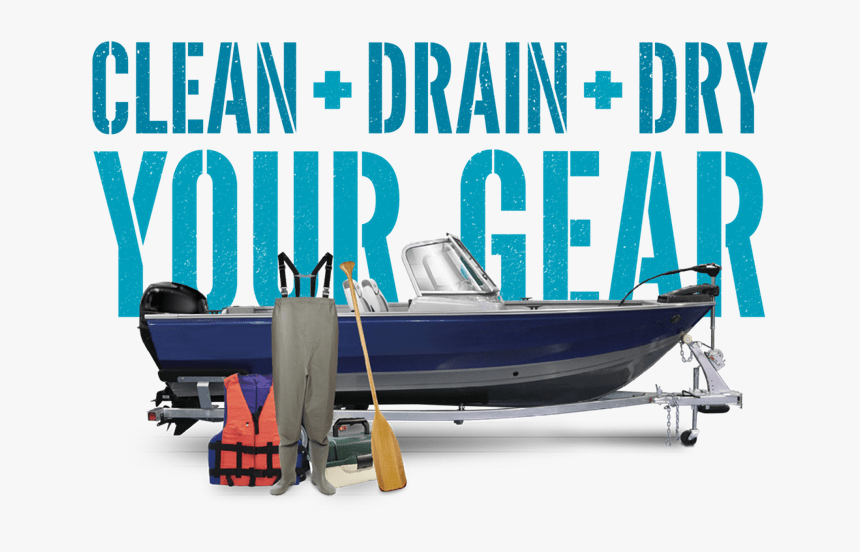
Several fisheries professionals, marina owners, fishing guides, and others attended the Watercraft Inspection and Decontamination Training (WIT) workshop the first week of May at Red Top Mountain State Park. Lead instructors Dee Davis (Pacific States Marine Fisheries Commission) and Colleen Allen (National Park Service Aquatic Nuisance Species Coordinator) shared their vast knowledge of aquatic invasive species and how to prevent them from entering our state. Participants learned how to thoroughly inspect watercraft for zebra and quagga mussels and other aquatic nuisance species from stern to bow and the trailer too. Proper decontamination procedures were demonstrated onsite and participants had an opportunity to practice what they had learned.

Hazard Analysis and Critical Point (HACCP) training was also held at Red Top Mountain State Park that same week. HACCP examines our day-to-day activities (i.e. fish sampling, raising and/or stocking fish, habitat restoration projects, etc.) to determine if and when invasive species might be unintentionally moved. HACCP helps to identify the most effective opportunities during these activities to reduce the risk and the specific control measures that are needed. After learning the steps of HACCP the participants separated into individual teams to design a HACCP plan for an activity of their choice. The lead instructors, Cindy Williams (US Fish and Wildlife Service) and Colleen Allen (National Park Service) provided effective feedback to each team as they presented their plans.

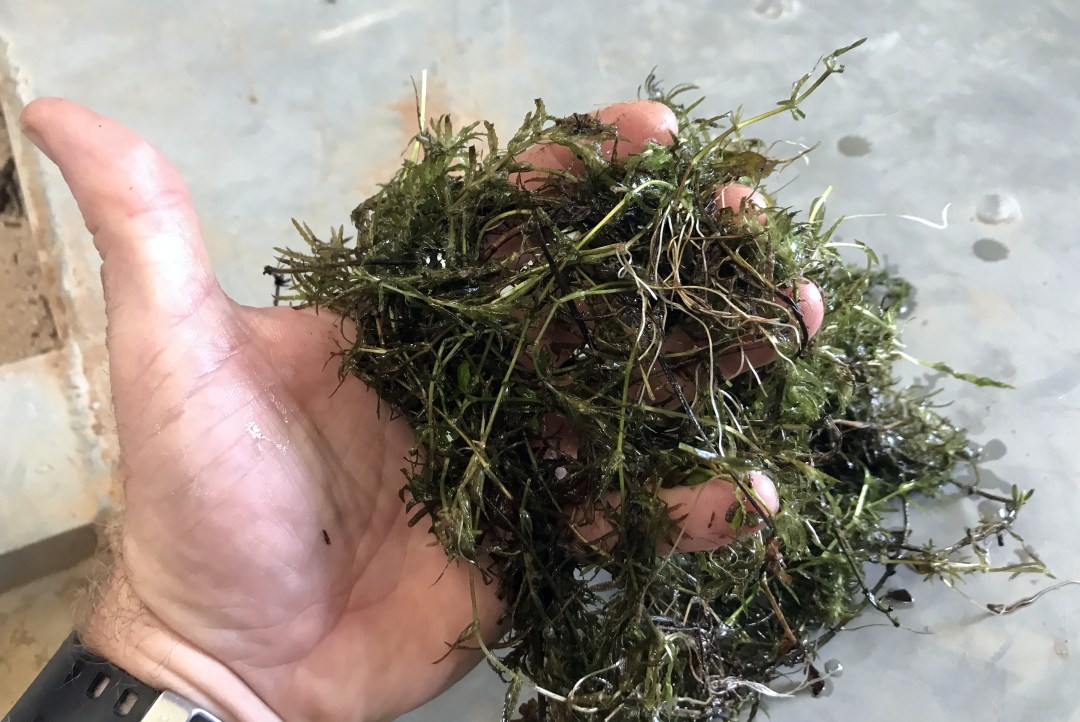
The Small Impoundments Technical Committee is planning to host an aquatic plant workshop at the 2023 SDAFS annual meeting. Our goal is to provide identification as well as up-to-date control information for the most problematic aquatic species we are faced with within the Southeast. By polling SDAFS representatives from each state, we have developed a list of the top 23 problematic aquatic plants in southeastern impoundments. As new products and techniques are being used to control aquatic vegetation in both private and public water bodies in the Southeast, the informational literature is outdated. Therefore, we are polling professional applicators across the Southeast to gather more up-to-date control information that can be available to applicators. Please use this form and answer the questions for each plant listed below based on your own personal experiences, and in as much detail as you are willing.
NOTE: Obviously, choosing the best and most comprehensive weed control program for a particular body of water can be very subjective and requires a level of experience literature can’t provide. This poll is just intended to provide the best biological and chemical tools available to battle each plant species. Thus, for now, there is no need to mention other techniques such as retreatment, combining biological and chemical, shading with fertilization or dyes, deepening shallow areas, nutrient reduction, etc. There is no need to indicate any state restrictions for biological control or chemical control agents. Applicators should be aware of this already. Also, refrain from listing specific chemical application rates or possible water quality/toxicity issues as this information is listed in the product label and should be left to the discretion of the applicator in each situation.
ANOTHER NOTE: You will be asked to provide the most effective chemical treatment for each plant; however, a different chemical treatment may be more practical or affordable in some situations. Provide that info in the “Additional Notes or Comments” section at the bottom. Also, if your control information for one plant is the same as another plant on the list, then you can just indicate that besides the plant’s name. If you have no experience controlling a particular plant, just leave blank.
Link: https://forms.gle/TEoQRESKwq1Eonrh9

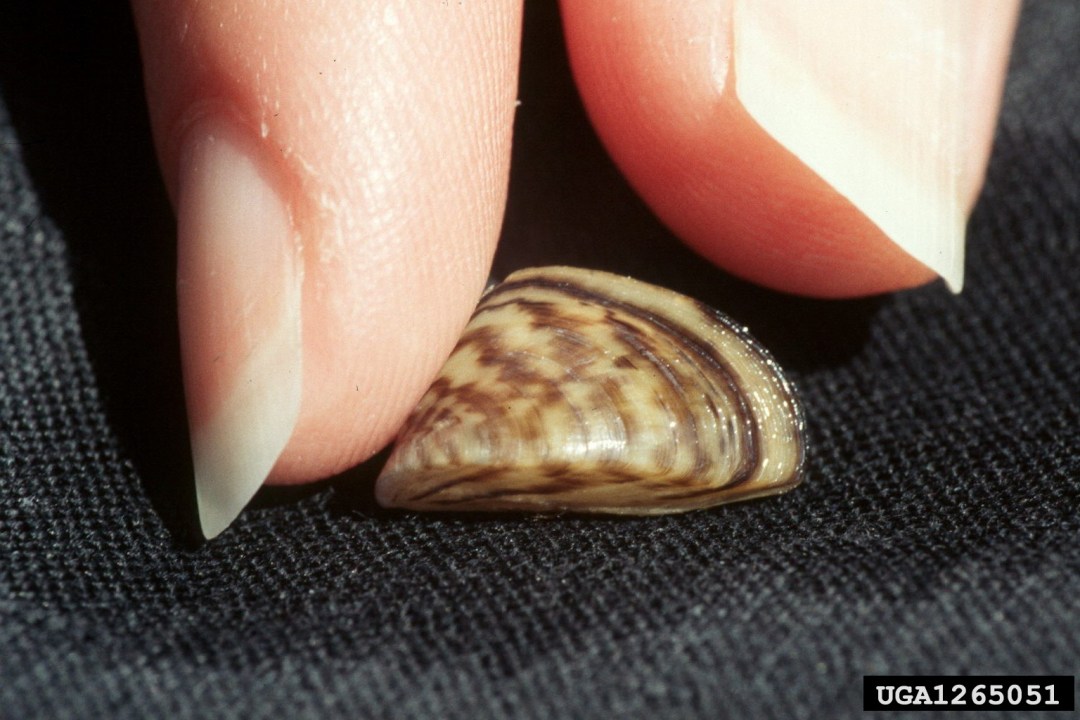
Two training workshops are scheduled for May 2022 at Red Top Mountain State Park.
The Georgia DNR Wildlife Resources Division is partnering with the Pacific States Marine Fisheries Commission to host a FREE training session to educate marina owners, boat owners, bait shop owners, fishing guides, and others about helping prevent the spread of Aquatic Invasive Species in our state. Zebra mussels and other aquatic invasives continue to be a threat, and our best chance to minimize their impacts is to prevent their introduction. Join us and learn how YOU CAN HELP in these efforts. Space is limited. Register online: https://form.jotform.com/220475746059159
Click on the image below to download the PDF

The Georgia DNR Wildlife Resources Division is partnering with the U.S. Fish and Wildlife Service to host a Hazard Analysis & Critical Control Point (HACCP) training session. This is a valuable training session for anyone who works with natural resources field projects, manages property and/or facilities, manages or produces wildlife, fish, or terrestrial plants species on state, federal, or private lands including hatchery operations. This is a FREE course and space is limited and on a first-come, first-served basis. Anyone interested needs to register online (https://arcg.is/vu91x)
Click on the image to download the PDF

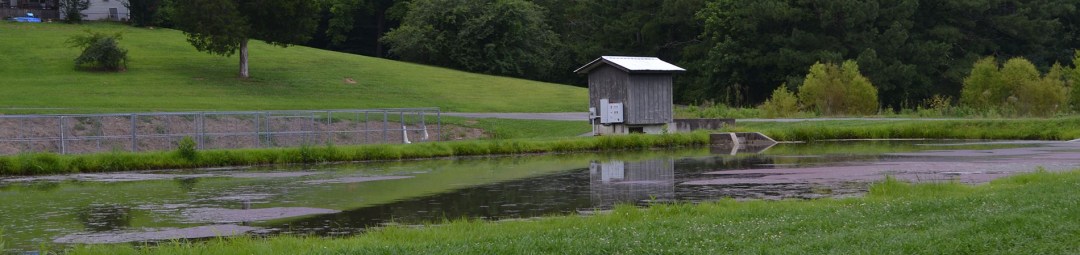
The Georgia Department of Natural Resources Wildlife Resources Division (WRD) announced on August 21, 2021, they are investigating Whirling Disease (WHD) and Infectious Hematopoietic Necrosis Virus (IHNV) in the hatchery-raised trout at both the Buford and Summerville trout hatcheries. Preliminary test results were positive for both hatcheries. Georgia WRD is taking steps to prevent the spread of these infectious diseases and has temporarily suspended the stocking of trout and is collecting more samples for disease analysis from the hatchery fish as well as wild populations in the Chattahoochee River downstream of the Buford Hatchery. Additional steps being taken include investigating the source for both pathogens and identifying disinfectant methodologies for treating the hatcheries. These are the first documented cases in Georgia.
Whirling disease is an infectious disease of salmonid fish, caused by Myxobolus cerebralis, a microscopic parasite, was first discovered in the U.S. in 1958 and is currently found in several states. Up until now, the closest outbreak to Georgia is when it was discovered in North Carolina’s Watauga River in 2015. Physical symptoms of WHD include blackened tail, whirling behavior, and deformities of the head and spine. Whirling disease does not infect humans, mammals, or fish that are not members of the salmonid family.
The disease IHNV is an infectious disease of salmonids. It was first recognized in the 1950s in sockeye and Chinook salmon. Young fish are more susceptible, and those that survive may become carriers of the virus and shed IHNV virus particles in their feces, urine, and external mucus. Symptoms of fish infected by IHNV include darkening, protruding eyes, pale gills, lethargy, distended abdomen, and abnormal swimming behavior. Humans are not susceptible to becoming infected by IHNV and fish with IHNV can be consumed.
Both of these diseases can be detrimental to Georgia’s trout species. Mortality rates are very high in both hatchery-raised trout as well as our wild trout populations. Visit the WRD website for more information about these invasive diseases and learn more about what you can do to help prevent the spread of WHD and IHNV. https://georgiawildlife.com/ans#diseases
The Chapter was notified early August that we were the recipients of the 2021 Outstanding AFS Small Chapter Award. The Outstanding Chapter Award recognizes outstanding professionalism, active resource protection, and enhancement programs, as well as a strong commitment to the mission of the Society.
The award will be officially announced during the business meeting at the 2021 AFS Annual Meeting in Baltimore.
This prestigious award is a tribute to many people’s hard work and dedication, particularly the 2020 ExCom and Committee chairs. The rest of the country is learning what many of us have known for some time- we have a truly inspiring and talented group of fisheries professionals committed to conserving, managing, and improving our aquatic resources for today and the future.
As part of the application process, we had to answer the question – What makes your chapter unique and why is it outstanding? Our answer…
The Georgia Chapter possesses a unique sense of cohesiveness and can-do spirit among its professional, faculty, and student members, which helped us not only “get through” an unprecedentedly difficult year but rise to the challenges by adopting new modes of communication, education, and networking. As a result, our membership rolls, meeting attendance, outreach footprint, fundraising, and sense of camaraderie hardly missed a beat in 2020. In fact, we were able to reach an even larger audience, including citizens and potential fisheries recruits whom we might not have reached under traditional circumstances. Although every unit of AFS faced similar Covid-related issues, we are particularly proud of what we were able to accomplish in 2020. These accomplishments are detailed in the sections below and the attachments provided. In brief, they include (1) ramping up our information-dissemination campaigns through adding active Twitter and Instagram accounts (we already had Facebook) and periodic blog posts on topics like aquatic nuisance species and aquatic connectivity, (2) working with the GA DNR to develop and fund educational media (digital flyers, posters, and teaching workbooks) on various fishy topics, (3) developing a new set of web-based resources to connect Georgia high-school and college students to fish-related programs and faculty at colleges throughout the state, and to better understand what skills are needed for different careers in the fisheries field, and (4) for our student subunit at UGA, broadening the monthly seminar series to a much more geographically widespread field of guest speakers, thanks to using a Zoom virtual meeting format. Although we hope 2021 sees the restoration of more in-person interaction, we learned a number of useful lessons and skills in 2020 that we think maintained our effectiveness as a chapter and will enhance our relevance and reach moving forward.
The rest of the country is learning what many have known for some time- we have a truly inspiring and talented group of fisheries professionals committed to conserving, managing, and improving our aquatic resources for today and the future.


 Georgia Chapter American Fisheries Society